
Manual or Electric Toothbrush? What Reviews Show and How to Choose in Ghorpadi
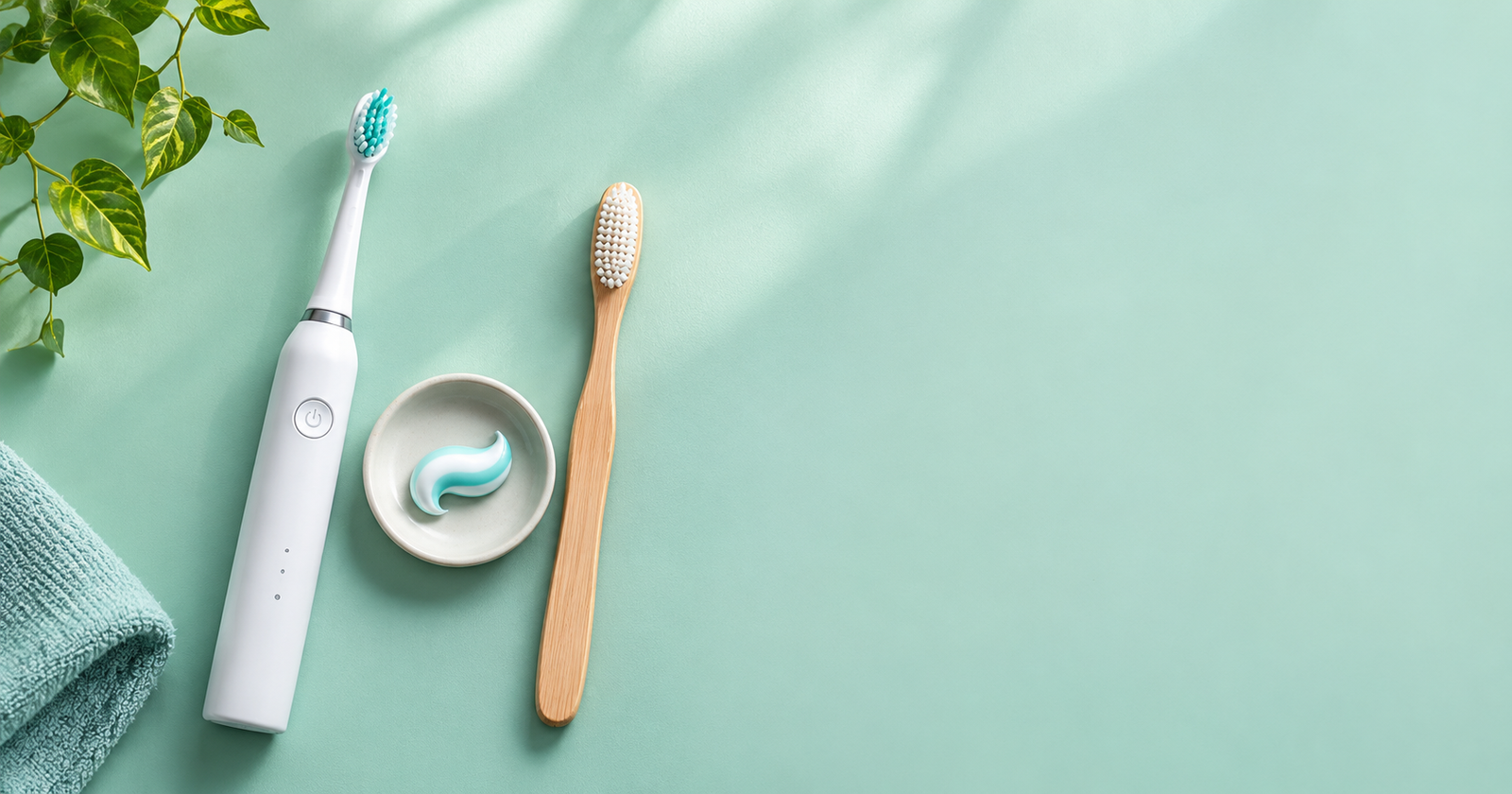
Walk into any pharmacy and the toothbrush aisle is a wall of choices. Soft, medium, battery, rechargeable, app-connected. The prices go from a few rupees to several thousand.
The question most people ask is simple: does it matter? This guide goes through what reviews of studies show, who may benefit most, and how to choose. It is for general awareness. Your dentist can advise on your own teeth.
The clinic lists braces, aligners and child dental care among its services on its services page. Its Google Maps location is worth saving.
What the evidence says
- Reviews of many studies find that powered brushes, especially those with an oscillating-rotating head, remove slightly more plaque and reduce gum inflammation slightly more than manual brushes
- The benefit is modest on average. It is not a replacement for good technique
- Many people brush too quickly, too hard, or miss the same areas every day. A powered brush with a timer can help with this
Who may gain most from a powered brush
- People with limited hand strength or dexterity, such as arthritis
- People who brush too hard, if the brush has a pressure sensor
- People with braces or aligners, who need extra cleaning
- Older adults and people who need a caregiver’s help
- Children who need encouragement, with an adult supervising
When a manual brush is fine
- You brush well for two full minutes, twice a day
- You use a soft brush and gentle strokes
- You clean between the teeth daily
- Cost or travel makes a powered brush hard to keep up
How to choose
- Soft bristles. Always. Hard and medium can wear enamel and gums
- A small to medium head, so it reaches the back teeth
- A comfortable handle you can grip
- For powered brushes: a two-minute timer, and ideally a pressure sensor
- Replacement heads that are easy to find and affordable
How to brush, whichever you choose
- Brush for two minutes, twice a day, with fluoride toothpaste
- Angle the bristles towards the gum line
- Use small, gentle strokes. Do not scrub
- Cover the outside, inside and chewing surfaces of every tooth
- With a powered brush, guide it slowly from tooth to tooth and let it do the work
- Clean between the teeth once a day with floss or interdental brushes
- Gently brush the tongue
When to replace it
- Every three months for a manual brush or a powered brush head
- Sooner if the bristles splay
- After an illness
- When the manufacturer advises it
Special cases
- Braces or aligners. Ask your dentist about brush heads and extra cleaning tools
- Implants and bridges. Cleaning around them matters. Ask what suits yours
- Gum disease. Gentle technique and a soft brush matter more than the type
- Young children. An adult should supervise and finish the job
Risks and trade-offs to ask about
- Powered brushes cost more and need charging or batteries
- Brushing too hard with any brush can wear enamel and push the gums back
- A brush is not a substitute for cleaning between teeth or for check-ups
- A second opinion is a reasonable request if you are unsure about advice for braces or implants
Common questions
Is an electric toothbrush better than a manual one?
Reviews of studies suggest that powered brushes, especially oscillating-rotating types, reduce plaque and gum inflammation slightly more than manual brushes. The difference is modest, and good technique matters most.
Do I need an expensive one?
No. A basic powered brush with a soft head and a timer does the main job. Extra modes and apps are optional.
How often should I replace the brush or head?
About every three months, or sooner if the bristles splay. Replace it after an illness too.
Is a hard brush better at cleaning?
No. Hard bristles can wear enamel and push the gums back. Choose soft.
What this guide does not cover
- Technique matters more than the type of brush. A well-used manual brush beats a badly used electric one.
- Studies show a small average benefit for powered brushes. Individual results vary.
- Brush choice for children, braces, implants or gum disease should be discussed with your dentist.
- It is an educational article published by the clinic. No outcome is promised.
Sources and further reading
- Cochrane Review: Manual versus powered toothbrushing for oral health.
- American Dental Association, MouthHealthy: choosing a toothbrush.
Clinic details
TruSmile Dental Clinic, led by Dr. Shradha H. Vaidya S.No 73, Karan Nagari, Bhagwan Tatyasaheb Kawade Rd, Punya Nagari, Ghorpadi, Pune 411001 Phone: +91 70704 06071 Google Maps: open the clinic location Website: www.trusmile.co.in Contact page: trusmile.co.in/contact-us Services listed: root canal treatment, dental implants, braces, aligners, complete dentures, smile designing and child dental care. See the services page.
Please call ahead to check timings and availability.
This article is for general awareness only. It is not a diagnosis or a substitute for professional advice, and it does not promise any result. Please consult a registered dentist or doctor about your own condition.
Ready for a healthier smile?
Book a visit with Dr. Shradha H. Vaidya at TruSmile Dental Clinic.
Book Appointment