
Retainers After Braces: The Part Everyone Skips (and Why Teeth Move Back)

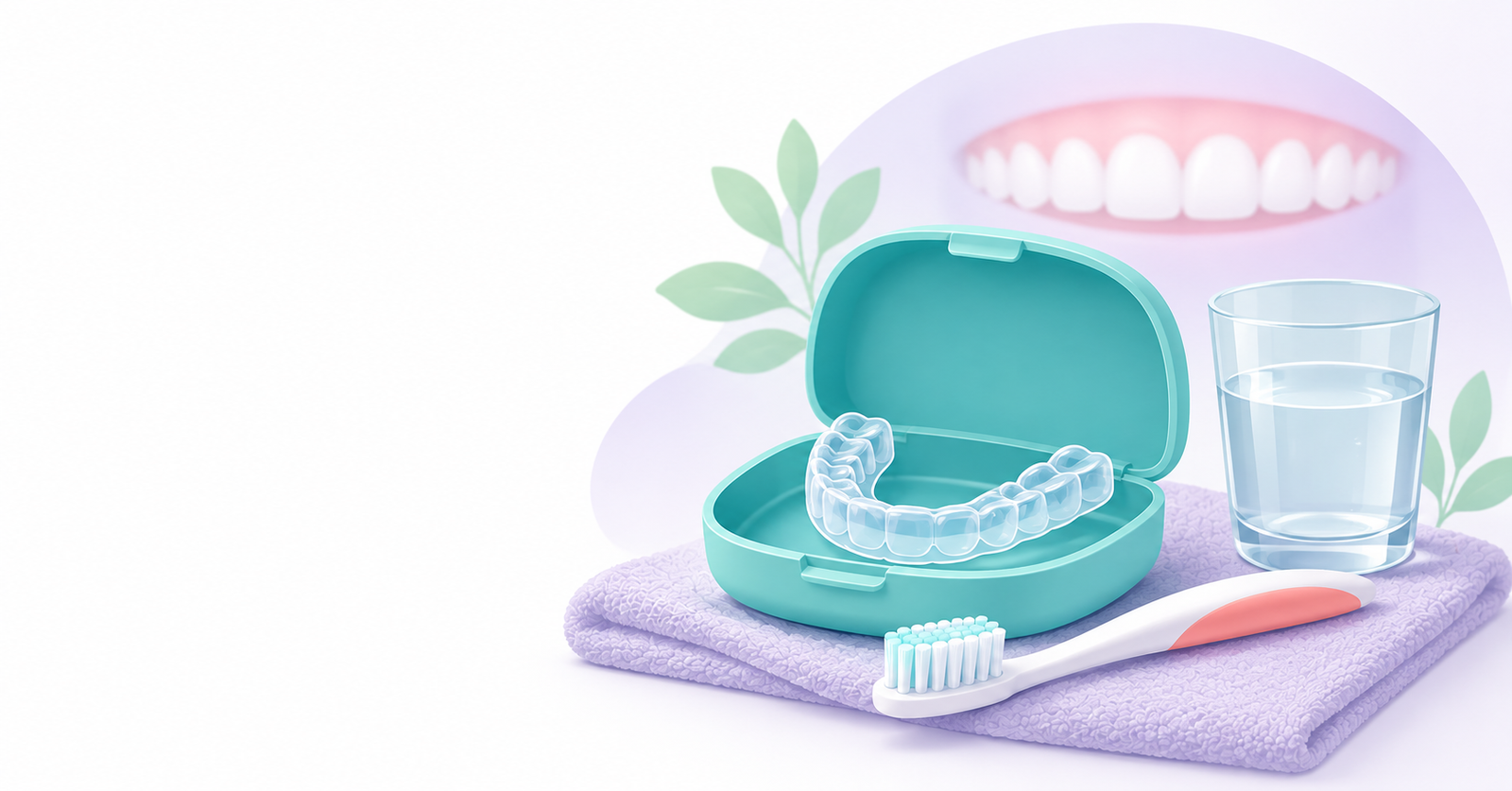
Months or years of braces. A good result. Then a small plastic retainer arrives in a case, and many people quietly stop wearing it.
This is the step that decides how long the result lasts. This guide explains why teeth move back, what the main retainer types are, and how to look after one. It is for general awareness. Follow the plan your own dentist gives you.
If you live near Ghorpadi, the clinic’s Google Maps location is worth saving. The clinic lists braces and aligners among its services.
Why teeth move back
- Ligaments and gum fibres need time. They take a while to adjust to the new tooth position
- Teeth drift naturally. This happens slowly through life, even in people who never had braces
- Habits push teeth. Tongue thrusting, nail biting and grinding can all move teeth
- Bone is still remodelling. The first months after braces are when shifting is most likely
Types of retainer
- Fixed retainer. A thin wire bonded to the back of the front teeth. It stays in all the time
- Removable clear retainer. A transparent tray that fits over the teeth, worn as advised
- Hawley retainer. A wire and acrylic plate, also removable
Each has trade-offs:
- Fixed retainers cannot be forgotten, but plaque and tartar can build up around the wire, and it can come unstuck
- Removable ones are easier to clean, but only work if you wear them
- Clear trays can wear down or crack with grinding
How to look after a removable retainer
- Rinse it after taking it out and brush it gently with a soft brush
- Keep it in its case, not wrapped in tissue or a napkin
- Never use hot water, which can warp it
- Keep it away from pets, which often chew them
- Bring it to every check-up so the fit can be checked
Looking after a fixed retainer
- Clean along the wire every day, using floss threaders or interdental brushes
- Do not bite hard, sticky food with the front teeth
- Check for a loose or rough spot, and call the clinic if you find one
- Keep up your cleaning visits, because tartar builds up easily
If the retainer is lost or broken
- Do not wait. Teeth can shift within weeks
- Call the clinic as soon as you notice
- Do not try to bend or fix it at home
- Ask whether a replacement is needed, and whether your teeth have moved
If it feels tight
- A tight retainer may mean your teeth have moved
- Do not force it on
- Do not skip wearing it for a few days to “loosen” it
- Book a visit and let the dentist check
When to book a visit
- The retainer no longer fits
- Your teeth look different, or a gap is opening
- A fixed wire is loose or pokes the lip or tongue
- You have gum swelling or bleeding near a fixed retainer
For the clinic’s treatments, see the services page.
Risks and trade-offs to ask about
- Retainers add cost and care for a long time
- A fixed retainer can make cleaning harder
- Ask what to do if your life changes, such as moving cities, and how replacements are handled
- Retainers do not fix teeth that were never aligned. They hold what braces achieved
Common questions
Why do teeth move after braces?
Teeth are held by ligaments and gum fibres that need time to settle in their new position. Teeth can also drift slowly with age and habits. A retainer helps hold the result.
How long do I need to wear a retainer?
It depends on your case. Many dentists advise wearing one long term, often after a full-time phase at the start. Your dentist will give you a plan.
What if my retainer feels tight?
This can happen if you missed wearing it for a while. Do not force it. Call your dentist, who can check whether your teeth have moved.
Fixed or removable retainer?
Each has trade-offs. A fixed retainer is bonded behind the teeth and cannot be lost, but cleaning is harder. A removable one is easier to clean but only works if worn. Your dentist can advise.
What this guide does not cover
- How long and how often you need to wear a retainer depends on your teeth and treatment. Follow your own dentist’s plan.
- Some teeth shift more than others after braces. No one can predict exactly how much.
- Never force a tight retainer in. Call the clinic instead.
- It is an educational article published by the clinic. No outcome is promised.
Sources and further reading
- American Association of Orthodontists, information on retainers and retention.
- NHS, Braces and orthodontics.
Clinic details
TruSmile Dental Clinic, led by Dr. Shradha H. Vaidya S.No 73, Karan Nagari, Bhagwan Tatyasaheb Kawade Rd, Punya Nagari, Ghorpadi, Pune 411001 Phone: +91 70704 06071 Google Maps: open the clinic location Website: www.trusmile.co.in Contact page: trusmile.co.in/contact-us Services listed: root canal treatment, dental implants, braces, aligners, complete dentures, smile designing and child dental care. See the services page.
Please call ahead to check timings and availability.
This article is for general awareness only. It is not a diagnosis or a substitute for professional advice, and it does not promise any result. Please consult a registered dentist or doctor about your own condition.
Ready for a healthier smile?
Book a visit with Dr. Shradha H. Vaidya at TruSmile Dental Clinic.
Book Appointment